Our Team & Community Support
About Gluten Free Passport 
Our Mission: To empower people through knowledge and tools to
positively change quality of life around the world
As global leaders, we:
-
Educate consumers and business about gluten free and allergy friendly lifestyles
-
Consult with clients on customer engagement, food safety, product marketing, training, market expansion and digital content creation
-
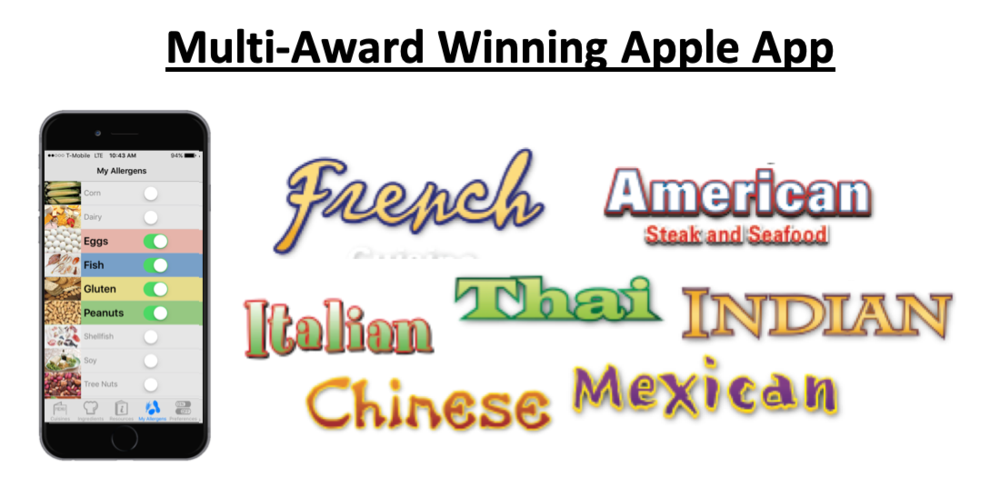
Create, publish and promote mobile apps, ebooks and books including the award-winning travel series, Let's Eat Out Around the World Gluten Free and Allergy Free
-
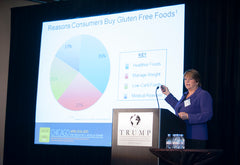
Present to consumer and business audiences at industry and consumer conferences across the globe
-
Sponsor and participate in US and international events supporting health, wellness, celiac disease, autism and food allergy initiatives

In addition, we are:
-

Winners of 20-plus quality innovation awards for 12 consecutive years from key industry leaders including Best Health Book of the Year for Indie Publishers in three competitions
-
Endorsed by food allergy, celiac/coeliac and autism organizations across the globe
-
Featured for our expert advice by over 300 organizations and media outlets around the world
-
Recipients of US Department of Commerce Export Achievement Certificate
-
Thought leaders of landmark global market research studies including: Understanding Gluten and Allergen-Free Consumer Experiences Worldwide as well as Gluten Free and Allergy Friendly Lifestyles: Past, Present and Future
-
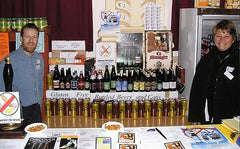
North American Representative for 1st international gluten-free beer festival in Chesterfield UK

Contact us to discuss how we can help you!
Kim Koeller - Pioneer in Gluten Free and Food Allergy Travel
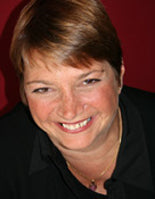
After overcoming years of misdiagnosis, Kim has been 100% gluten and allergy free since 2002 due to celiac disease and several food allergies including dairy, fish, shellfish and preservatives. A former partner with Accenture, she founded GlutenFree Passport to empower people to positively change quality of life and health through innovative resources, education and business consulting.
As President of GlutenFree Passport, Kim Koeller is a trailblazer, global business consultant and multi-award winning creator of the pioneering series, Let’s Eat Out Around the World Gluten Free and Allergy Free.
The inspiration for Kim to author, publish and launch the innovative Let's Eat Out! travel series evolved from:

-
Passion and love of travel, cultures and languages logging over 2.5 million miles visiting six continents
-
Personal health considerations including celiac / coeliac disease, allergies, 12 orthopedic surgeries and multiple stress fractures
-
Significant void in global market for food & travel resources for gluten free diets and food allergies
-
Desire to share her in-depth dining research
-
Goal to help millions of people impacted by gluten free diets and food allergies across the globe
 The market leading Let's Eat Out series now includes her 4th edition book, 4 additional paperback books, ebooks and a mobile Apple app. Trusted by customers in over 60 countries, the first-of-its-kind series is also the winner of the Best Health Book of the Year Award for Indie Publishers in three separate competitions and has won 20-plus quality awards for over 10 consecutive years.

As an international business executive, Kim has traveled almost 3 million miles around the world to six continents. She is fluent in French, studied 4 other languages and has worked on site with clients in various countries including Australia, Brazil, Canada, Czech Republic, Germany, France, Ireland, Italy, Netherlands, New Zealand, Switzerland, United Kingdom and the United States.

With 20-plus years of public speaking experience, Kim is an internationally recognized keynote and guest speaker educating business and consumer audiences at conferences around the world from Australia to the European Union and North America. She trains and consults with food service, product and health professionals from restaurants, schools, universities and manufacturers about customer expectations, food management and special diet wellness. In addition, Kim is a master trainer for restaurants, schools and universities.
An authoritative expert on food, travel and special diet lifestyles, her media interviews include NBC and ABC TV, Martha Stewart Living Radio, Radio New Zealand, National Geographic Traveler, USA Today and Hotels Magazine.
 Prior to establishing GlutenFree Passport, Kim was a partner with Accenture, the world’s leading management consulting firm. Specializing in customer innovation and emerging technologies for over 17 years, she was a practice leader and responsible for consulting with cross-industry Fortune 500 multinational clients delivering market-leading multi-million dollar transformational projects worldwide including 12 industry first solutions worldwide.
 Prior to establishing GlutenFree Passport, Kim was a partner with Accenture, the world’s leading management consulting firm. Specializing in customer innovation and emerging technologies for over 17 years, she was a practice leader and responsible for consulting with cross-industry Fortune 500 multinational clients delivering market-leading multi-million dollar transformational projects worldwide including 12 industry first solutions worldwide.
Leveraging her extensive expertise with Accenture and with Horizon Group, she continues to consult with start-ups to Fortune 100 companies on strategic change, technology enablement and customer engagement.
Kim earned her Masters degree in International Management from the Thunderbird School of Global Management. She received her Bachelor of Arts degree from Purdue University and the University of Strasbourg, France. She has been recognized as a distinguished 2017 Purdue alumni and is a founding board member of the University of Chicago Celiac Disease Center. Kim also promotes global advocacy through her blog, YouTube channel and other social media.
Watch Kim on YouTube or Read About Her Gluten & Allergy Free Journey

Robert La France is a restaurant industry veteran and co-author of the multi-award winning series, Let’s Eat Out Around the World. With a passion for the culinary arts, Robert has spent over 18 years across all aspects of restaurant operations and has worked with Asian, European & North American cuisines.

His experience has ranged from single restaurants to large publicly traded companies with 100-plus locations responsible for training hundreds of personnel. His first hand experiences have afforded him the opportunity to develop a deep understanding of guest requirements, concerns of cross-contact and hidden allergens in food preparation. Robert graduated cum laude from Arizona State University, has traveled almost 1 million miles and is conversant in the German and French languages.
Gluten Free and Allergy Free Passport have supported numerous community conferences including:
|
|